The Role of AI in Smart Agriculture for 2025: As global food demand surges with a projected population of 9.9 billion by 2050, agriculture faces unprecedented challenges, including climate change, resource scarcity, and labor shortages. The global AI in agriculture market, valued at $1.7 billion in 2023, is expected to reach $4.7 billion by 2028, growing at a compound annual growth rate (CAGR) of 23%.
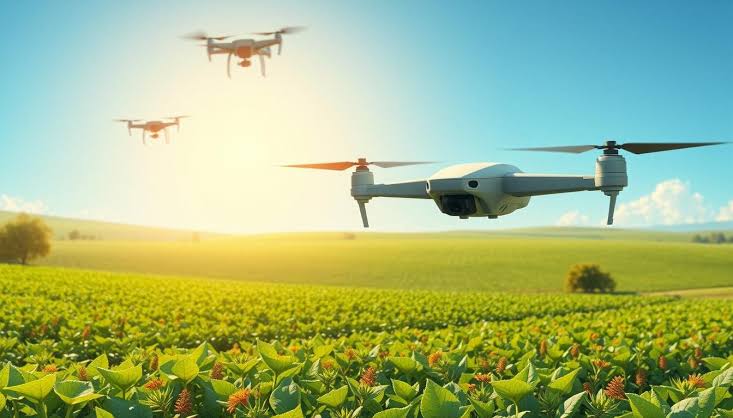
Artificial intelligence (AI) is revolutionizing smart agriculture by enabling precision farming, predictive analytics, and automation, transforming traditional practices into data-driven, sustainable systems. In 2025, AI’s integration with technologies like IoT, drones, and remote sensing is enhancing crop yields, optimizing resources, and promoting environmental sustainability.
Precision Farming: Optimizing Resources
Precision agriculture, a cornerstone of smart farming, leverages AI to manage field variations with pinpoint accuracy. AI algorithms analyze data from IoT sensors, satellite imagery, and drones to deliver precise amounts of water, fertilizers, and pesticides only where needed. For instance, platforms like CropX integrate AI with soil sensors to monitor moisture and nutrient levels, optimizing irrigation and reducing water waste by up to 25%. This targeted approach minimizes environmental impact, lowers costs, and boosts crop yields by 20-30%. Companies like John Deere use AI-powered machinery for precise seed placement, ensuring optimal land use and healthier crop growth.
Crop Monitoring and Disease Detection
AI-driven crop monitoring is transforming how farmers track plant health. Drones equipped with computer vision and machine learning, such as those from Arable, capture high-resolution images to detect pests, diseases, and nutrient deficiencies early. Convolutional Neural Networks (CNNs) analyze these images to identify symptoms like discoloration or lesions, enabling timely interventions that prevent yield losses. In Sub-Saharan Africa, AI-powered mobile apps allow farmers to upload crop photos for instant diagnoses, even offline, reducing crop losses by up to 40%. Hyperspectral imaging further enhances monitoring by providing detailed data on crop health and soil conditions, supporting proactive management.
Predictive Analytics for Yield Optimization
AI’s predictive analytics capabilities are revolutionizing yield forecasting and resource planning. By integrating data from weather forecasts, soil sensors, and historical yields, AI models predict crop performance with high accuracy. Platforms like Gro Intelligence analyze market trends and weather patterns to guide planting schedules and crop selection, helping farmers maximize profitability. For example, AI-driven tools in Telangana, India, increased chili yields by 21% while reducing pesticide use by 9%. These analytics empower farmers to plan logistics, estimate harvest times, and make informed decisions about storing or selling produce, enhancing food security and market efficiency.
Smart Irrigation Systems
Water scarcity, exacerbated by climate change, demands efficient irrigation solutions. AI-powered smart irrigation systems, like those from DripWorks, use sensors to monitor soil moisture, weather, and crop needs, adjusting water delivery in real time. These systems reduce water usage by 25% and improve yields by ensuring crops receive optimal hydration. AI algorithms also detect irrigation leaks, minimizing waste. In 2025, the integration of AI with IoT and edge computing enhances scalability, enabling real-time data processing for large farms and smallholder operations alike.
Autonomous Machinery and Robotics
AI is automating labor-intensive farming tasks through autonomous tractors, harvesters, and drones. John Deere’s 8R tractor series, equipped with stereo vision and AI, autonomously plows, plants, and sows seeds, reducing labor costs and human error. AI-powered drones and robots, like those from Raven Autonomy, use computer vision to identify ripe produce or apply targeted pesticide treatments, minimizing chemical use and environmental impact. These technologies are particularly impactful in regions facing labor shortages, such as Sub-Saharan Africa, where AI-driven machinery boosts efficiency and accessibility for smallholder farmers.
Supply Chain Optimization
AI enhances agricultural supply chains by predicting demand, optimizing logistics, and ensuring timely delivery. Platforms like IBM Food Trust use AI to analyze market trends, weather data, and trade patterns, enabling farmers to make strategic selling decisions. In Tanzania, AI platforms connect farmers directly with buyers, eliminating middlemen and ensuring fair pricing. These tools reduce post-harvest losses, estimated at $400 billion globally, by optimizing storage and transportation, ensuring fresher produce reaches markets faster.
Sustainability and Regenerative Agriculture
AI supports regenerative agriculture by promoting practices like reduced tillage, cover cropping, and nutrient management. The World Economic Forum’s AI for Agriculture Innovation initiative demonstrates how AI-driven tools analyze soil carbon levels and recommend sustainable practices, reducing nitrous oxide emissions and improving soil health. AI-enabled smart contracts and geospatial data facilitate carbon sequestration payments, incentivizing eco-friendly farming. By optimizing resource use and minimizing chemical applications, AI contributes to environmental sustainability and aligns with global Sustainable Development Goals (SDGs).
Challenges of AI in Agriculture
Despite its benefits, AI adoption faces hurdles. High initial costs for sensors, drones, and software deter smallholder farmers, particularly in developing regions. Limited internet connectivity and digital literacy further hinder implementation, with 37% of rural areas globally lacking reliable internet. Ethical concerns, such as data privacy and ownership concentration, raise questions about who controls agricultural data. Job displacement is another risk, as automation may reduce manual labor needs, necessitating reskilling programs. Holistic policy frameworks, affordable financing, and education are critical to overcoming these barriers and ensuring inclusive AI adoption.
READ ALSO: Top 5 AI Tools for Video Game Developers in 2025
Future Potential
By 2025, advancements in generative AI and large language models (LLMs) will further transform agriculture. LLMs, combined with Retrieval-Augmented Generation (RAG), will deliver farm-specific advice in local languages, bridging technology gaps. AI-integrated blockchain and smart seeds will enhance traceability and crop resilience, while edge AI will enable real-time decision-making in remote areas. As data accumulates, AI’s accuracy will improve, driving precision and sustainability. Collaborative initiatives, like the 100 Million Farmers Initiative, will scale AI solutions, ensuring equitable access for smallholder farmers and fostering global food security.
FAQs
How does AI improve crop yields in smart agriculture?
AI optimizes resource allocation, predicts yields, and detects diseases early using data from sensors, drones, and satellite imagery, increasing yields by 20-30% while reducing waste.
What is the role of AI in smart irrigation?
AI-powered irrigation systems analyze soil moisture, weather, and crop data to deliver precise water amounts, reducing usage by up to 25% and improving crop health.
How does AI support sustainability in agriculture?
AI promotes regenerative practices like reduced tillage and cover cropping, minimizes chemical use, and supports carbon sequestration, aligning with environmental sustainability goals.
What are the main challenges of adopting AI in agriculture?
High costs, limited internet access, digital literacy gaps, and ethical concerns like data privacy hinder AI adoption, particularly for smallholder farmers.
Can smallholder farmers benefit from AI?
Yes, affordable tools like mobile apps and low-cost sensors enable smallholders to monitor crops, predict pests, and optimize resources, improving yields and profitability.
What is the future of AI in agriculture?
Advancements in generative AI, blockchain, and edge computing will enhance precision, traceability, and accessibility, delivering farm-specific solutions and supporting global food security.